If you want to take your photography from a hobby to a profession, mastering manual mode is essential. Manual mode helps you understand what your camera can do and gives you full control over your creative choices. When you first pick up a camera, I recommend shooting in manual mode as much as possible. Learning this way helps you understand your camera faster, and over time, manual settings will feel like second nature. It takes practice, but it can completely change how you shoot.
Understanding the Basics of Manual Mode
Manual mode means you control your camera settings. You choose your aperture, shutter speed, and ISO to create a properly exposed image—or an intentionally creative exposure. Because you’re in full control, you can shape the final photo to match your vision.
The key components of manual mode are aperture, shutter speed, and ISO. Aperture is one of the most important settings because it controls both light and depth of field. Adjusting your aperture can create a shallow depth of field, keeping your subject sharp while the background falls out of focus.
Shutter speed controls how long your camera’s sensor is exposed to light, and it also affects motion. A slower shutter speed lets in more light, but it can introduce motion blur. Unless you’re using blur creatively—and typically with a tripod—you’ll usually want to keep your shutter speed faster.
Lastly, ISO brightens your image in low-light situations, but higher ISO settings can introduce noise. I usually keep ISO as low as possible to avoid that grainy look.
Below is the exposure triangle. Mastering this triangle is key to using manual mode and getting consistent exposure. If you’re just starting out as a photographer—or you haven’t bought your camera yet—please review my blog post on the First Steps to Becoming a Professional Photographer.
Getting Started with Manual Mode
The first step is making sure your camera is actually set to manual mode. You may need to check your camera’s manual to find the exact steps. Next, learn where your controls are so you can quickly adjust aperture, shutter speed, and ISO.
One reason I love my Fujifilm—especially as a beginner camera—is that the ISO and shutter speed dials are right on the top of the camera. That makes them easy to find and adjust on the go. If you’re looking to purchase a camera, I highly recommend a Fujifilm, which can be purchased and reviewed here.
Every camera also includes tools like a light meter and histogram to help you judge exposure. When I first started, I used the light meter for every shot to make sure my photos were properly exposed. Now I rely on it less because I can usually gauge exposure on my own—and sometimes I prefer the creative look of an image that isn’t perfectly exposed.
Creativity and Artistry in Manual Mode
One of the main reasons professionals use manual mode is creative control. You can experiment with different metering approaches and settings to create specific looks.
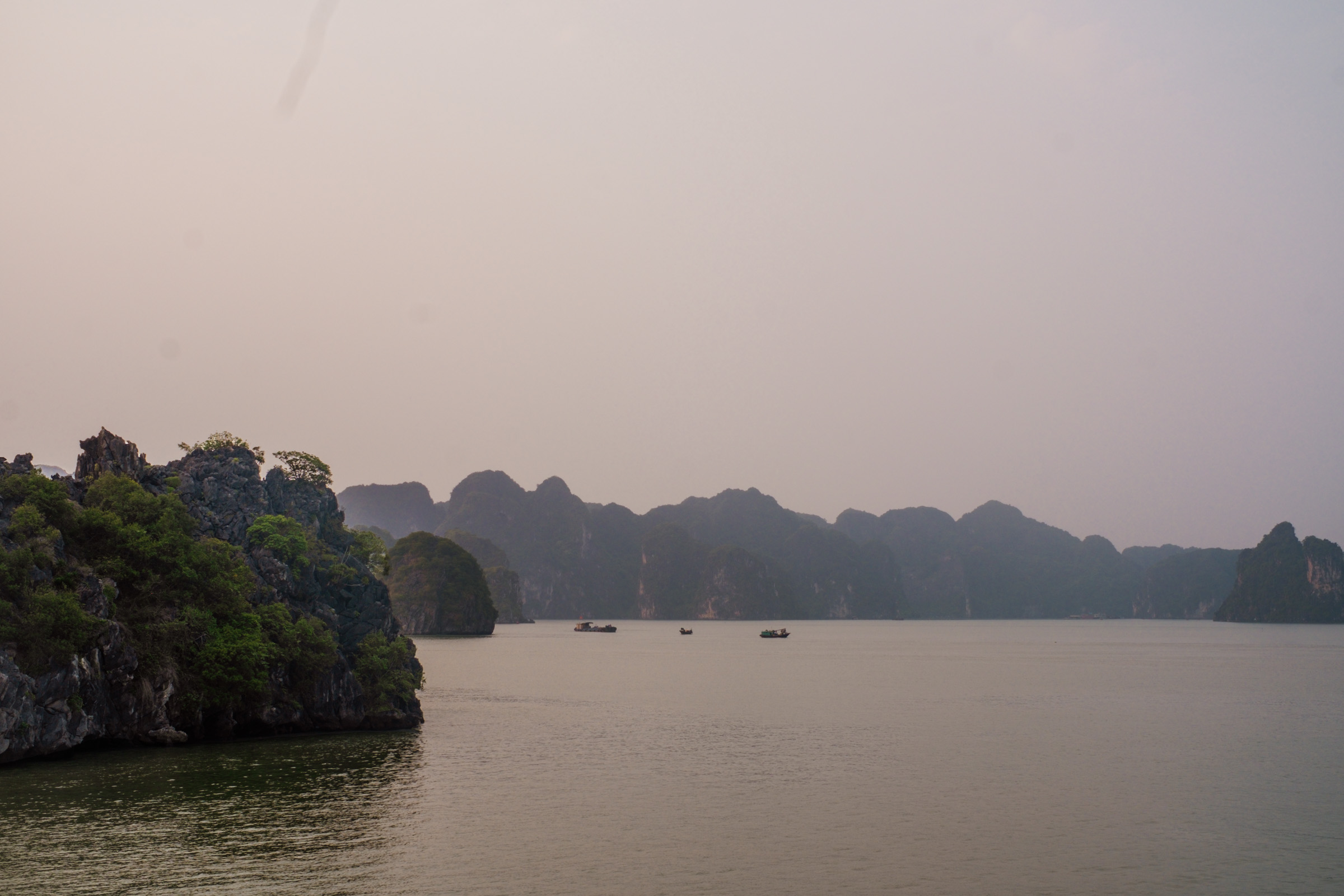
With a larger f-stop setting (aperture), you’ll get a shallow depth of field. Controlling depth of field helps isolate your subject. Many photographers use a shallow depth of field in portrait photography so the focus stays on the person, not the background. While most landscape photography calls for a smaller f-stop, you can also get creative and use a larger f-stop for a different effect (as seen in the photo below). That flexibility is part of what makes manual mode so valuable.
Another creative technique is long exposure photography. Long exposures are great for capturing motion blur and light trails—often used for flowing water or car lights. You can also use long exposures to create intentional blur for a dream-like look. This is one of my favorite techniques to explore. Just keep in mind that slower shutter speeds usually require a tripod to keep your camera steady.
Overcoming Challenges in Manual Mode
Manual mode comes with a learning curve. The biggest challenge at the beginning is changing settings quickly and confidently. At first, you will be slow—and that’s normal. It can take a minute or two to figure out what to adjust and by how much.
If you’re on a time-sensitive photoshoot, it’s okay to step away from manual mode until you feel comfortable. Lighting can also change throughout a shoot, so you’ll need to keep adjusting your settings to match the new conditions.
Advancing Your Skills in Manual Mode
Once you’re comfortable with manual mode, you can start pushing your skills in more challenging lighting situations. After that, you can explore different focus modes, like single or continuous focus. You can also begin learning off-camera lighting and flash to shape exposure more intentionally.
Having a strong foundation in manual mode is the starting point for understanding both the technical side of your camera and the creative side of photography.
Manual mode also helps you develop a personal style. I’ve learned that I love creating images with a shallow depth of field. Aside from interior photos, I use a larger f-stop in many of my images. Photography is a constant learning process, so seek feedback and support whenever you can—it only makes you better.
Mastering manual mode can be a long and challenging journey, but it’s an important one. It’s a major step in moving from hobbyist to professional. Whether this is your first year shooting or your fifteenth, embracing manual mode—and continuing to learn—will make you a better photographer.